
The West Nile Virus Remains an Unwelcome Visitor
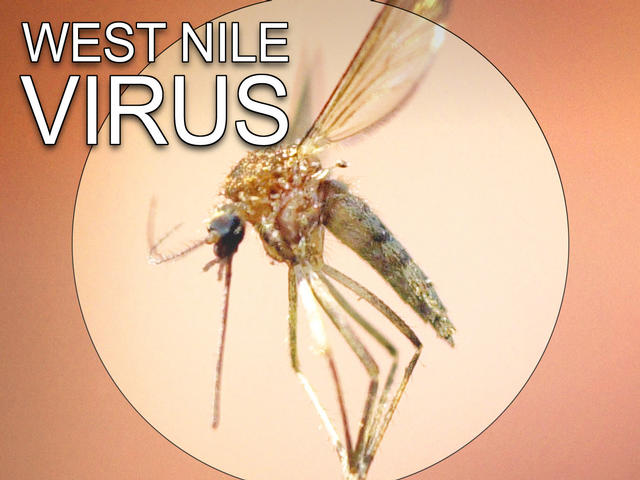
Despite its relative obscurity, the West Nile Virus still poses a potential threat to nearly anyone in America, which means its origins and evolution need to be understood. The West Nile Virus is carried by various species of mosquitoes who have been feeding on infected birds. It originated in East Africa in Uganda in 1937 and had gone global by 1999, with the first case reported in New York.
Fortunately, most people infected with the West Nile Virus do not become ill and will show no symptoms. For those who do become ill, the incubation period from the time of the mosquitoes’ bites and the onset of symptoms can be between 5 to 15 days. Clinically speaking, two types of West Nile Virus can occur in humans. One is West Nile Fever, which induces a high fever, headaches, weakness, and rash. This can usually last a few days or several weeks. The second type of West Nile Virus, Neuroinvasive, can be quite serious. It is a form of encephalitis or meningitis, which is an inflammation of the brain or surrounding tissues. In this variation of the disease, a sudden high fever and headache quickly progresses to muscle stiffness in the neck, confusion, muscle tremors, and a coma. It has also been known to cause permanent brain damage and death.
For now, it doesn’t look the West Nile Virus is going away anytime soon, so being knowledgeable about the disease is the best precaution. Learn the warning signs. If the spring, summer, or other seasons are marked by heavy rainfall followed by warm weather, mosquitoes will be breeding in higher numbers. Thus, preventive measures should be taken to reduce anyone’s chance of being infected with the virus. First, one should eliminate any standing pools of water where mosquitoes can breed. Examples would be old tires, empty buckets, disused swimming pools, or anywhere else that water can collect and stand for any length of time. Of equal importance, remember to use mosquito repellent products with 10% DEET, install window screens as necessary, and try to avoid areas where mosquitoes are more likely to gather. Also, from dusk to dawn, wear long sleeves and pants to keep from getting bitten when mosquitoes that carry the virus are most active.